Quick answer
Does the VA or Medicare Pay for a Walk-In Tub? What HISA, Medicare and the IRS Actually Cover
The VA’s home-modification grant names walk-in tubs as something it won’t buy, but it pays for a walk-in or roll-in shower. Here’s who pays for what, how much, and the part of the bill you can deduct.

CheckedNov. 112026
The short answer
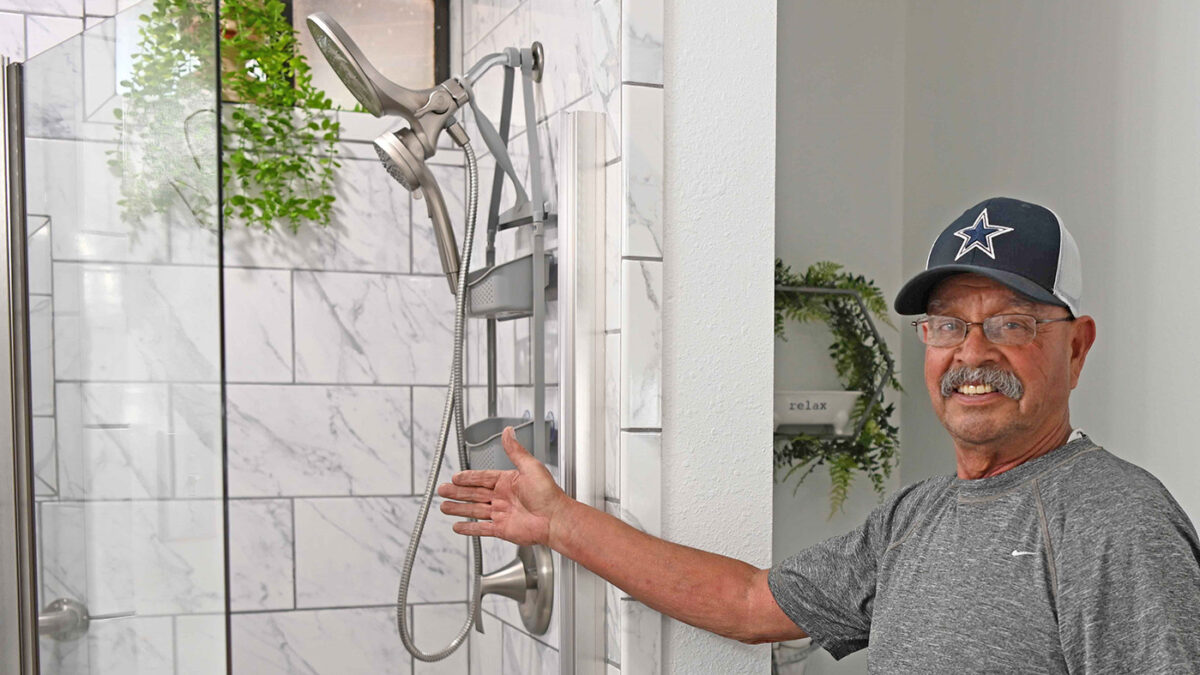
No for the tub, yes for a shower. The VA’s home-modification grant, HISA, lists “walk in, sit down, hydrotherapy, jetted, spa, Jacuzzi style tubs” among the projects it won’t pay for. It does pay for roll-in, barrier-free showers and for converting a bathtub to a seated shower.
HISA pays up to $6,800 over your lifetime if the work is for a service-connected disability (or you’re rated at least 50%), and up to $2,000 for other veterans. A VA doctor has to prescribe it.
Original Medicare pays nothing toward either one. Some Medicare Advantage plans cover bathroom safety devices as an extra. The IRS lets you count accessibility changes to a bathroom as a medical expense, and USDA has a repair grant of up to $10,000 for rural homeowners 62 and older.
General information, not legal advice. The agency that runs the program decides who qualifies and how much.
At a glance
- Walk-in tub
- Not covered by VA HISA (named in its exclusions) or by Original Medicare
- Walk-in or roll-in shower
- Covered by HISA when a VA doctor prescribes it
- HISA lifetime cap
- $6,800 (service-connected, or rated 50%+); $2,000 otherwise
- Bigger VA grants
- SAH up to $126,526, SHA up to $25,350 (FY 2026), for specific service-connected disabilities
- Medicare
- Original Medicare: no. Medicare Advantage: bathroom safety devices only if your plan offers them
- Taxes
- Bathroom modifications for a disability can count as a medical expense above 7.5% of your income
- USDA
- Up to $10,000 grant (age 62+, very low income, rural home); loans up to $40,000 at 1%
- Last checked
- Wednesday, Nov. 11, 2026, against the sources at the end of this page
Who pays for what
The short version, from each program’s own rules. Amounts are the most a program pays; your share depends on the bid and on what the program approves.
| Program | Walk-in tub | Walk-in or roll-in shower | Most it pays | Who qualifies |
|---|---|---|---|---|
| VA HISA | No (excluded) | Yes | $6,800 or $2,000, lifetime | Veterans and service members with a VA doctor’s prescription |
| VA SAH grant | VA reviews each plan | VA reviews each plan | $126,526 (FY 2026) | Owners with certain service-connected disabilities, such as loss of use of more than one limb |
| VA SHA grant | VA reviews each plan | VA reviews each plan | $25,350 (FY 2026) | Certain service-connected disabilities, such as loss of use of both hands |
| Original Medicare | No | No | $0 | — |
| Medicare Advantage | Not as a tub | Not as a remodel | Set by each plan | Members of plans that offer bathroom safety devices |
| USDA Section 504 | Local office decides | Local office decides | $10,000 grant; $40,000 loan at 1% | Rural homeowners; grants only at 62+ with very low income |
| IRS deduction | If its main purpose is medical | If its main purpose is medical | A deduction, not a check | People who itemize, above 7.5% of income |
The VA’s HISA grant: the shower, not the tub
HISA (Home Improvements and Structural Alterations) is run by the VA’s Prosthetic and Sensory Aids Service. It pays for changes to your primary home, owned or rented, that a VA doctor says you need.
The VA’s rulebook for it, VHA Directive 1173.14 (last amended Nov. 16, 2025), lists what it covers and what it doesn’t. For the bathroom, the line is clear:
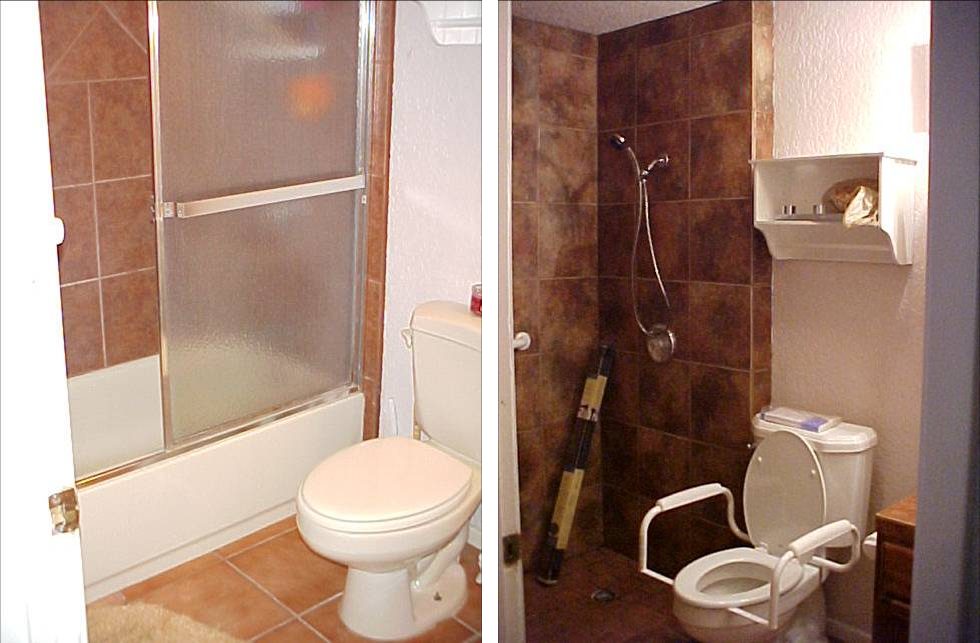
- Covered: “Roll-in, barrier-free showers, or conversion from bathtub to seated shower,” lowered counters, widened doorways, handrails, and plumbing or wiring that home medical equipment needs.
- Not covered: “Walk in, sit down, hydrotherapy, jetted, spa, Jacuzzi style tubs,” plus exterior decking, elevators, home security systems and routine repairs such as a new roof or furnace.
How much
- $6,800 lifetime for work tied to a service-connected disability, or for any disability if you have a service-connected rating of at least 50%.
- $2,000 lifetime for everyone else who’s eligible.
It’s a lifetime total, so earlier HISA projects count against it. Your local Prosthetic and Sensory Aids Service can tell you what’s left.
How to apply
Start with your VA doctor, before any work begins. The application needs:
- A prescription from a VA physician describing the project and the medical reason for it.
- VA Form 10-0103, signed. Ask for an advance on the form if you want one: up to half the approved amount, paid within 30 days of approval.
- An itemized estimate for labor, materials, permits and inspections.
- A color photo of the area before the work.
- If you rent: a signed, notarized OK from the owner.
SAH and SHA: the bigger grants
Veterans with certain severe service-connected disabilities can get much more through the VA’s housing grants, run by the benefits side of the VA:
- Specially Adapted Housing (SAH): up to $126,526 in fiscal 2026, for disabilities such as the loss or loss of use of more than one limb, or blindness in both eyes.
- Special Home Adaptation (SHA): up to $25,350, for disabilities such as the loss or loss of use of both hands, or certain severe burns.
You can draw on either grant up to six times over your life. HISA and SAH can be used at the same time, but not for the same work.
Medicare: why the answer is no
Original Medicare pays for medical equipment, not for changes to your house. Its own equipment list denies bathtub lifts and bathtub seats as convenience items and grab bars as “self-help” devices. A walk-in tub or a shower remodel isn’t on the list at all.
Medicare Advantage plans can go further. Medicare lets them offer “non-Medicare-covered safety devices to prevent injuries in the bathroom” as an extra benefit, sometimes with an in-home safety check by an occupational therapist. That covers devices, not a new tub. Look for it in your plan’s Evidence of Coverage, or ask during open enrollment, which runs through Dec. 7.
The IRS: the part you can deduct
The IRS treats home changes made mainly for medical care as a medical expense. Its Publication 502 names “installing railings, support bars, or other modifications to bathrooms” among the changes for a disability that usually don’t raise the home’s value, so the whole cost can count.
If a project does raise the value, only the part of the cost above that increase counts. Extra spending for looks doesn’t count at all.
Two limits decide whether it helps you:
- You have to itemize on Schedule A instead of taking the standard deduction.
- Only medical costs above 7.5% of your adjusted gross income count.
| Your adjusted gross income | Medical costs that don’t count (7.5%) | Deductible from a $6,000 shower, if it’s your only medical cost |
|---|---|---|
| $30,000 | $2,250 | $3,750 |
| $50,000 | $3,750 | $2,250 |
| $80,000 | $6,000 | $0 |
The $6,000 is only an example to show the math, not a price. Doctor bills and other medical costs from the same year add to the total, so the deduction can be bigger.
USDA: up to $10,000 if you live in a rural area
USDA’s Section 504 Home Repair program helps homeowners in rural areas who can’t get affordable credit elsewhere.
- Grants: up to $10,000 over your lifetime, for homeowners 62 or older with very low income for their county. Grants must go to removing health and safety hazards, and you repay one if you sell within three years.
- Loans: up to $40,000, fixed at 1% for 20 years, for repairs and improvements.
- Together: up to $50,000.
Whether a bathroom change counts as a safety hazard is up to your local Rural Development office. USDA’s eligibility map tells you if your address is rural.
Before you sign with a contractor
- Get the program’s approval first. HISA wants the estimate and a photo of the room before the work; a remodel you’ve already paid for is a harder case.
- If you’re counting on HISA, plan a shower. A jetted or walk-in tub is on the VA’s list of things it won’t buy, however it’s sold to you.
- Keep every receipt and the doctor’s note. They’re what the IRS asks for if you deduct the cost.
Watch
 2:31
What we don't know yet
- The SAH and SHA maximums for fiscal 2027, which began Oct. 1, 2026. The VA’s grants page still showed the FY 2026 amounts on Nov. 11, 2026; the VA adjusts them each year for construction costs.
- Whether an SAH or SHA plan can include a walk-in tub. The VA reviews each adaptation plan and builder’s bid; its grants page doesn’t list tubs either way.
- Medicaid. Some states pay for home modifications through Medicaid waiver programs for people who need long-term care; the rules and amounts differ by state, and we haven’t checked them state by state.
When any of this is confirmed, it goes into the page and the update history below.
Questions people ask
Does the VA pay for walk-in tubs?
Not through HISA, the VA’s home-modification grant. Its directive lists “walk in, sit down, hydrotherapy, jetted, spa, Jacuzzi style tubs” among the projects it won’t fund. HISA does pay for roll-in, barrier-free showers and for converting a tub to a seated shower.
How much is the VA HISA grant in 2026?
Up to $6,800 over your lifetime for work tied to a service-connected disability, or for any disability if you have a service-connected rating of at least 50%. Up to $2,000 for other eligible veterans.
Does Medicare pay for walk-in tubs?
No. Original Medicare doesn’t pay for home modifications, and its equipment list denies bathtub lifts, bathtub seats and grab bars. Some Medicare Advantage plans cover bathroom safety devices as an extra benefit, but not a new tub.
Does Medicare pay for walk-in showers?
No. A shower remodel is a change to the house, which Original Medicare doesn’t cover. Veterans can use the VA’s HISA grant for a roll-in or barrier-free shower.
Is a walk-in tub or shower tax deductible?
It can count as a medical expense if its main purpose is medical care. The IRS says changes for a disability that don’t raise the home’s value count in full. You have to itemize, and only medical costs above 7.5% of your adjusted gross income are deductible.
Can I get HISA and an SAH grant?
Yes. The VA says the two can be used at the same time, but not to pay for the same work.