Calculator
NASA Astronaut Application 2026: Requirements, the Dec. 3 Deadline and the $164,395 Pay
NASA is hiring astronauts until 11:59 p.m. Eastern on Dec. 3. Check yourself against the minimums.

CheckedNov. 82026
Calculator
Do you meet NASA’s minimums?
Pick your degree and experience; we check them against the rules in NASA’s job announcement.
This calculator needs JavaScript. Everything it uses is also in the text below.
Runs in your browser. Nothing you enter is sent or saved.
The short answer
Yes, NASA is hiring astronauts right now. Applications are open on USAJOBS until 11:59 p.m. Eastern on Thursday, Dec. 3, 2026.
The minimums: be a U.S. citizen, hold a master’s in a STEM field (or one of three stand-ins), have three years of related work after that degree (or the required pilot hours), and pass NASA’s long-duration flight physical.
The job pays $164,395 a year on NASA’s 2026 pay schedule, in Houston. NASA expects to name the class in fall 2027. Last time, more than 8,000 people applied and 10 were picked.
At a glance
- Deadline
- Thursday, Dec. 3, 2026, 11:59 p.m. Eastern
- Where to apply
- USAJOBS announcement NASA-13093568-27-AS
- Who can apply
- U.S. citizens, dual citizens included
- Degree
- STEM master’s, two years toward a STEM doctorate, a medical degree, or Test Pilot School plus a STEM bachelor’s
- Experience
- Three years of related work after the degree, or 750 to 1,500 pilot hours depending on the aircraft
- Pay
- $164,395 a year (2026 schedule)
- Where
- Johnson Space Center, Houston; no telework, travel 76% of the time or more
- Class named
- Fall 2027, then about two years of training
- Last call
- 2024: more than 8,000 applications, 10 selected
- Last checked
- Sunday, Nov. 8, 2026, against the sources at the end of this page

The minimums, one by one
NASA grants no waivers on the degree or experience rules, and you have to meet them by Dec. 3. Test Pilot School and medical residency are the only things that can finish later, by July 2027.
The degree
The base is a master’s degree from an accredited school in engineering, biological science, physical science, computer science or math. Three other routes count instead:
- Doctoral work: at least two academic years (36 semester hours) in a STEM Ph.D. program
- A medical degree: MD, DO, physician assistant, Doctor of Nursing Practice, family nurse practitioner or a related one
- Test Pilot School, finished or finishing by July 2027, plus a STEM bachelor’s
Degrees that don’t count: technology degrees (engineering technology, aviation technology, medical technology), aviation and aviation management, exercise physiology, social sciences such as geography or anthropology, and psychology, except clinical, physiological or experimental psychology.
Foreign degrees work if a credential evaluator has found them equivalent to a U.S. accredited degree.
The experience
You apply under one of seven groups, and each has its own experience test. For all but pilots, it’s three years of progressively responsible, full-time work after the qualifying degree.
| Group | What NASA asks for |
|---|---|
| Pilot | 750 hours as pilot in command of a high-performance jet; or 1,500 hours in other fixed-wing aircraft, 750 in command; or 1,000 hours in helicopters, 300 in command. Training hours and drone time don’t count |
| Flight Test | Test Pilot School plus three years of flight test work (flight test engineers, navigators, weapons systems officers) |
| Medical | Three years in a professional medical field after the degree; residency counts if done by July 2027 |
| Biological and Medical Science | Three years in a related field |
| Physical Science | Three years in a related field |
| Engineering | Three years in a related field |
| Operations | Three years in high-stakes, real-time work: flight test without Test Pilot School, deep-sea or cave diving, mission control, nuclear submarines, rescue or special operations |
Experience earned after a bachelor’s counts, as long as you later finished the qualifying higher degree. K-12 teaching in a related technical field counts too.
You don’t need to be a pilot or in the military. Active-duty members apply on USAJOBS and through their own branch.
What to have ready before you start
- A full resume or CV. The usual two-page USAJOBS limit doesn’t apply. Every job needs month and year dates and the hours you worked per week.
- All your STEM transcripts, bachelor’s and up. Unofficial copies are fine for now; no sealed envelopes.
- Five references, including your most recent supervisor, entered in the questionnaire. Letters of recommendation aren’t read.
- The Pilot Qualifications Form, if you have any flight experience.
- Files of 5 MB or less, and no diplomas.
After you submit, you may get a link to the USA Hire assessments. NASA says to set aside about 2.5 hours, and the email can take up to 30 minutes to arrive, so check your spam folder.
You can edit your documents until the deadline, but not your assessment answers once they’re in. If you applied in 2024, you have to apply again from scratch.
What happens after Dec. 3
NASA’s tentative schedule, which it says can stretch or shrink with the number of applicants:
- December 2026 to April 2027: applications reviewed
- Spring 2027: first interviews and assessments at Johnson Space Center
- Summer 2027: final interviews
- Fall 2027: the class is announced
- Winter 2027–28: the new candidates report to Houston
Everyone who applies hears back after the selections are announced. Of those interviewed, NASA says, about half get a second interview.
The pay and the fine print
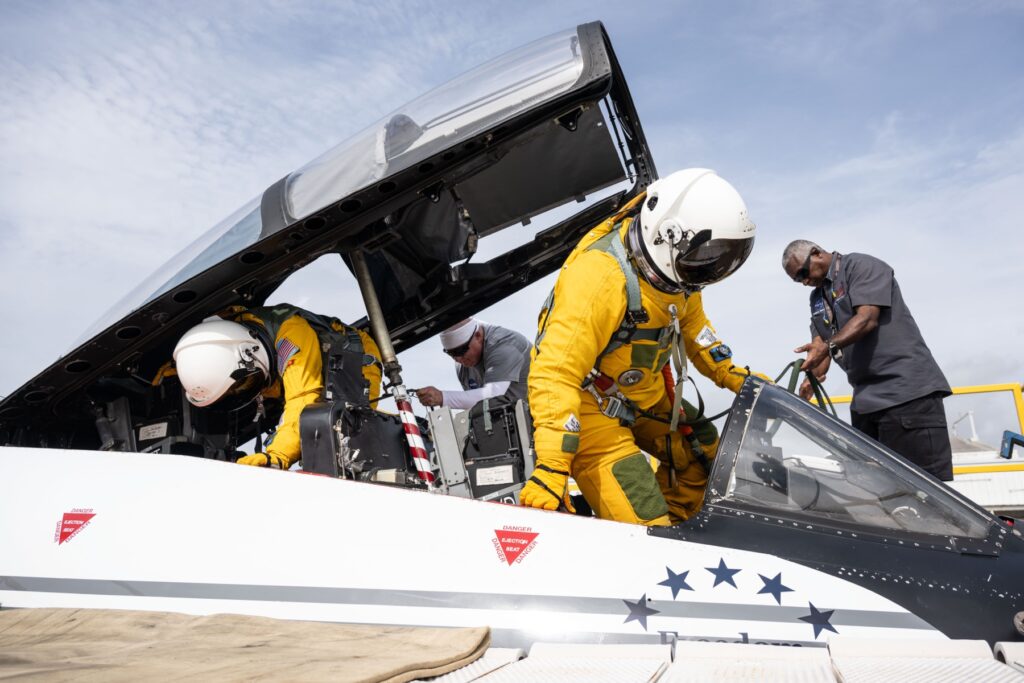
The announcement lists $164,395 a year, at 2026 rates; NASA says it will adjust for 2027 and 2028 raises, with increases tied to training and mission milestones. Military candidates stay on active duty and keep military pay.
The rest of the deal:
- Houston, in person. No telework, and relocation can be reimbursed.
- Travel 76% of the time or more, including long stretches abroad training with partner agencies.
- A 30-month term job during training, made permanent if you graduate. Being picked as a candidate doesn’t guarantee becoming an astronaut.
- No promised flight. Missions can last 12 months or longer, and NASA says the wait for one is unknown.
- Screening: a background investigation, a drug test with random testing after, financial disclosure and a confidential-level clearance.
The physical side
There’s no age limit. Past candidates have been 26 to 46 when picked, 34 on average.
Your vision has to correct to 20/20 in each eye. Glasses are fine, and so are PRK and LASIK if at least a year has passed with no lasting side effects.
You’d pass a fitness test before being hired and a swimming test in the first month, then spend up to two hours a day scuba diving or up to seven hours in a pressurized spacesuit during training. NASA grants no medical waivers, and it doesn’t answer individual medical questions before selection.
The odds
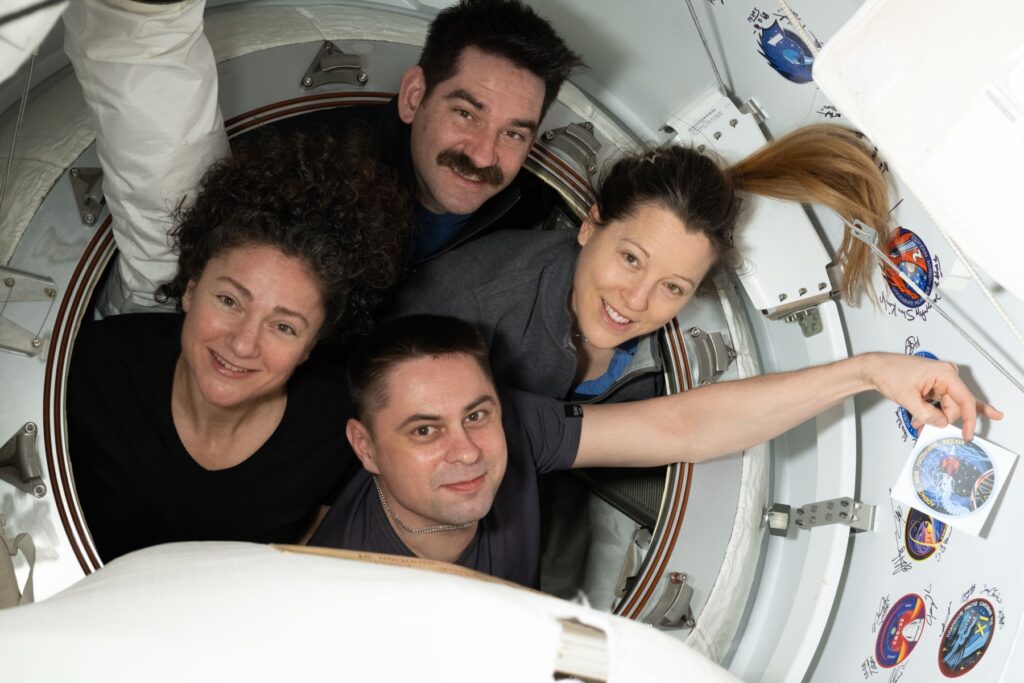
NASA last opened applications in 2024. More than 8,000 people applied, and 10 were picked in September 2025, which works out to about 1 in 800.
NASA has selected 370 astronaut candidates since the first group in 1959, and has 32 active astronauts. It hasn’t said how many it will pick this time.
How we figured it
The odds divide NASA’s 10 selections by its “more than 8,000” applications, so the real figure is a bit longer than 1 in 800. The checker at the top tests only the published minimums: citizenship, degree, and experience or flight hours. The physical, the interviews and the board’s judgment come later.
Watch
 1:04
What we don't know yet
- How many candidates NASA will pick from this call. The announcement says only “few vacancies.”
- The detailed medical standards beyond vision. NASA points to its aerospace medical certification standard and doesn’t answer individual medical questions before selection. Neither the requirements page nor the FAQ lists a height range.
- Whether the Dec. 3 deadline moves. NASA calls the timeline tentative; if it extends the window, the assessment deadline moves to 48 hours after the new close.
When any of this is confirmed, it goes into the page and the update history below.
Questions people ask
When is the deadline to apply to be a NASA astronaut in 2026?
11:59 p.m. Eastern on Thursday, Dec. 3, 2026. Applications opened Nov. 7 and go through the USAJOBS announcement NASA-13093568-27-AS; NASA doesn’t accept mailed or emailed materials.
What are the requirements to be a NASA astronaut?
U.S. citizenship; a master’s in engineering, biological or physical science, computer science or math (or two years toward a STEM doctorate, a medical degree, or Test Pilot School plus a STEM bachelor’s); three years of related professional experience after the degree, or 750 to 1,500 pilot hours depending on the aircraft; and passing NASA’s long-duration flight physical.
Can you be a NASA astronaut with a bachelor’s degree?
Only through Test Pilot School. A STEM bachelor’s counts if you’ve also finished, or will finish by July 2027, a nationally recognized Test Pilot School program. Otherwise you need a STEM master’s, two years of doctoral work or a medical degree.
How much do NASA astronauts make?
$164,395 a year, according to the 2026 job announcement and NASA’s FAQ. NASA says the rate will be adjusted for 2027 and 2028 raises. Military astronaut candidates stay on active duty and are paid by their service.
Is there an age limit to become an astronaut?
No. NASA says past candidates were 26 to 46 when selected, with an average age of 34.
Do you need to be a pilot or in the military to be an astronaut?
No. Flying experience and military service aren’t required. Pilots can use flight hours instead of the three years of work experience, and active-duty members apply on USAJOBS and through their own branch.
Can I be an astronaut if I wear glasses or had LASIK?
Yes. Your vision must correct to 20/20 in each eye. Glasses are allowed, and PRK and LASIK are allowed if at least a year has passed since the procedure with no lasting side effects.
When will NASA announce the new astronaut class?
Fall 2027, on NASA’s tentative schedule: review through April 2027, interviews in spring and summer 2027, and the new class reporting to Houston in winter 2027–28. NASA’s release says final selection in late 2027.
Can non-U.S. citizens apply to be a NASA astronaut?
No. The call is open to U.S. citizens, including dual citizens. Other countries’ space agencies select their own astronauts.
How many people apply to be NASA astronauts?
More than 8,000 applied in 2024, and NASA selected 10 in 2025, about 1 in 800.


