Guide
NYC Window Guard Law: The Air Conditioner Rule, Who Must Get Guards and How to Report a Landlord
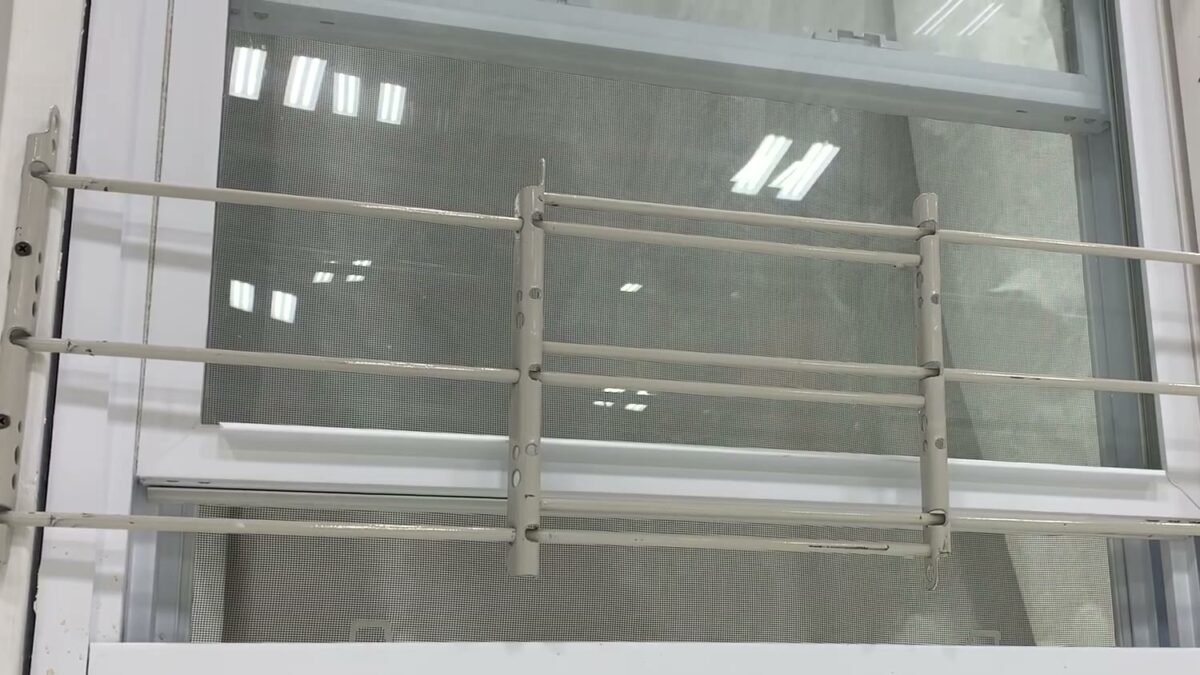
The gap beside a window air conditioner is back in the news after a toddler’s death in the Bronx. Here’s what New York City’s rules, in force since Jan. 1, require of landlords and tenants, and how to close that gap in any home.

CheckedNov. 72026
The short answer
In New York City, a window air conditioner stands in for a window guard only if it’s installed permanently: bolted to the sill with tamper-resistant one-way screws, with no gap wider than 4½ inches, metal L-shaped stops so the window can’t open more than 4½ inches above the unit, and the landlord’s inspection and approval.
That’s the city’s rule since Jan. 1, 2026. Where a child 10 or younger lives, a tenant can’t put in a temporary AC instead of a guard, and can’t take a guard out to fit one.
In any home, the Health Department’s advice is the same: bolt the unit in, use rigid material on all sides so nothing can come loose, and don’t leave an opening wider than 4½ inches.
At a glance
- Where
- New York City buildings with three or more apartments
- Who gets guards
- Any apartment where a child 10 or younger lives, and any tenant who asks, kids or not
- Which windows
- Every window, balcony windows included, except those onto a fire escape and a secondary exit window
- Widest opening
- 4½ inches, on guards, stops and around air conditioners
- Air conditioners
- Count as a guard only if bolted with one-way screws, stopped at 4½ inches and approved by the landlord
- Cost
- Landlords may charge for guards in apartments; rent-stabilized and rent-controlled tenants pay at most $10 per guard
- Annual form
- Landlord sends it Jan. 1 to 16; return it by Feb. 15
- Report a problem
- 311, online or by phone; HPD inspects and can issue violations
- Rules in force
- Since Jan. 1, 2026 (Health Department rules, Chapter 12, rewritten in 2025)
- Last checked
- Saturday, Nov. 7, 2026, against the sources at the end of this page
Why the gap beside the air conditioner matters
On the night of Nov. 3, a 2-year-old girl died after falling from a fifth-floor window in Mott Haven, in the Bronx. Police sources told NBC New York they believe she climbed through the gap between a window divider and an air conditioner. Her parents said they had called 311 about safety conditions in the apartment.
That gap is exactly what the city set out to close. When the Health Department rewrote its window guard rules in 2025, it said nearly all preventable falls happen because no fall-prevention device was installed, or because a window air conditioner was improperly installed in or removed from a window. Air conditioners hadn’t been covered by the rules before.
New York City counted four window falls among children in 2025, none fatal; two involved devices that weren’t properly installed. Nationally, CPSC estimates 5,600 children 12 and under were treated in emergency rooms for window falls in 2024, and about one in three was hospitalized.
What the rule says about window air conditioners
Under the rules in force since Jan. 1, a window with an air conditioner needs no separate guard only when all three of these are true:
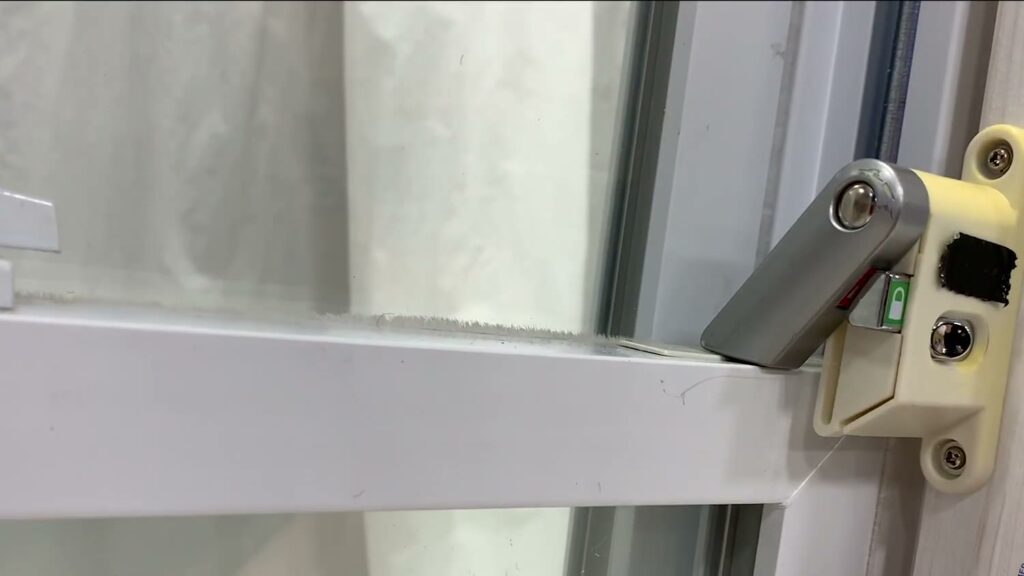
- Bolted in: the unit is secured to the window stool or sill with tamper-resistant one-way screws, leaving no open space wider than 4½ inches.
- Stopped: two metal L-shaped stops or brackets, one on each side of the lower sash, keep the window from opening more than 4½ inches above the unit.
- Approved: the building owner has inspected the installation and confirmed both.
A tenant in an apartment where a child lives may not remove a guard, block its installation or install a temporary window AC instead of a guard. The Health Department suggests asking the landlord to install the unit professionally.
One change from the draft: the city’s proposal also required rigid side panels on permanent installations. The Health Department dropped that from the final rule, citing the burden on building owners, but its April 2026 safety advice still tells New Yorkers to use rigid material on all sides of the unit.
How to secure the side panels on a window AC
This list works in any city. It combines the New York rule with the Health Department’s and CPSC’s advice.
- Bolt the unit to the frame or sill so it can’t be pushed or lifted, with no opening wider than 4½ inches anywhere around it.
- Use rigid material on all sides. The accordion panels that come with most units aren’t rigid; the city’s advice is material that can’t come loose and open a gap.
- Add stops on the lower sash so the window can’t be raised more than 4½ inches above the unit.
- When the AC comes out for the winter, the window needs its guard or stop back. An empty window with no guard is a fall risk.
- Keep furniture away from windows, so children have nothing to climb.
- Don’t count on screens. CPSC says never depend on a screen to keep a child from falling.
- Open windows from the top when you can.
Who must get window guards in New York City
The rules cover buildings with three or more apartments. The owner must install guards on every window in an apartment where a child 10 or younger lives, or where the tenant asks for them for any reason. That includes windows that open onto a balcony or terrace.
Guards don’t go on windows that open onto a fire escape, or on a secondary exit window; on a first floor with fire escapes, the owner picks that window. Windows at or below ground level with less than six inches of drop are exempt.
Every guard or stop must leave no opening wider than 4½ inches, be tested against a 150-pound impact and be registered with the Health Department.
Who pays
Landlords may charge tenants for guards inside apartments, but not for guards in public areas. In rent-stabilized and rent-controlled apartments, the charge is a temporary surcharge of no more than $10 per guard.
A landlord can’t make you pay before installing a required guard, and can’t tell you that guards are optional where a child lives.
The January form
Between Jan. 1 and Jan. 16 each year, landlords must send every apartment an annual notice asking whether a child 10 or younger lives there. Tenants must return it by Feb. 15.
If the form doesn’t come back, the landlord must inspect the apartment to see whether a child lives there and whether guards and air conditioners are installed correctly. A landlord who doesn’t send the notice faces a $500 penalty per apartment per year.
How to report a missing or loose guard
Tell your landlord, managing agent or super first, in writing if you can. If guards aren’t installed, or look loose or improperly installed, file a complaint with 311, online or by phone.
The complaint goes to the Department of Housing Preservation and Development. HPD contacts the managing agent and, if the problem isn’t fixed, sends an inspector without telling the owner the date. It can issue violations and seek penalties, and tenants can also go to Housing Court.
Outside New York City
Most places don’t have a guard law like New York’s, so CPSC’s advice is the baseline: window stops that keep windows from opening more than 4 inches, guards with an emergency release on windows on the sixth floor and below, and, for renters, a conversation with the landlord about installing them.
Watch
 0:23
 2:07
What we don't know yet
- What investigators find in the Mott Haven case. Police said no criminality is suspected and the investigation is ongoing.
- Whether the city will restore the rigid side-panel requirement it dropped from the final rule.
- How many 2026 falls in New York City involved air conditioners. The Health Department’s latest count, from April 15, was two falls this year, neither seriously injuring a child.
When any of this is confirmed, it goes into the page and the update history below.
Questions people ask
Are window guards required in NYC?
Yes, in buildings with three or more apartments, on every window of an apartment where a child 10 or younger lives, and in any apartment where the tenant asks for them. Fire-escape windows and a secondary exit window are exempt.
Do I need a window guard if I have an air conditioner in the window?
Not if the unit is permanently installed: bolted to the sill with one-way screws, no gap wider than 4½ inches, L-shaped stops on the sash and approved by the landlord. A temporary AC can’t replace a guard where a child lives.
How do I secure the side panels on a window air conditioner?
Bolt the unit in and use rigid material on all sides instead of the accordion panels, so nothing can come loose and no gap is wider than 4½ inches. Add stops so the sash can’t be raised above the unit.
Can my landlord charge me for window guards in NYC?
Yes, for guards inside your apartment, but not in public areas. Rent-stabilized and rent-controlled tenants pay a temporary surcharge of at most $10 per guard, and no landlord can require payment before installing a required guard.
When is the NYC window guard form due?
Landlords send the annual notice between Jan. 1 and Jan. 16, and tenants must return it by Feb. 15. If it isn’t returned, the landlord must inspect the apartment.
Can I get window guards if I don’t have kids?
Yes. In New York City, the landlord must install guards in any apartment where the tenant asks for them, whatever the reason.
How do I report a landlord who won’t install window guards?
File a complaint with 311, online or by phone. HPD contacts the landlord, can send an inspector and can issue violations.